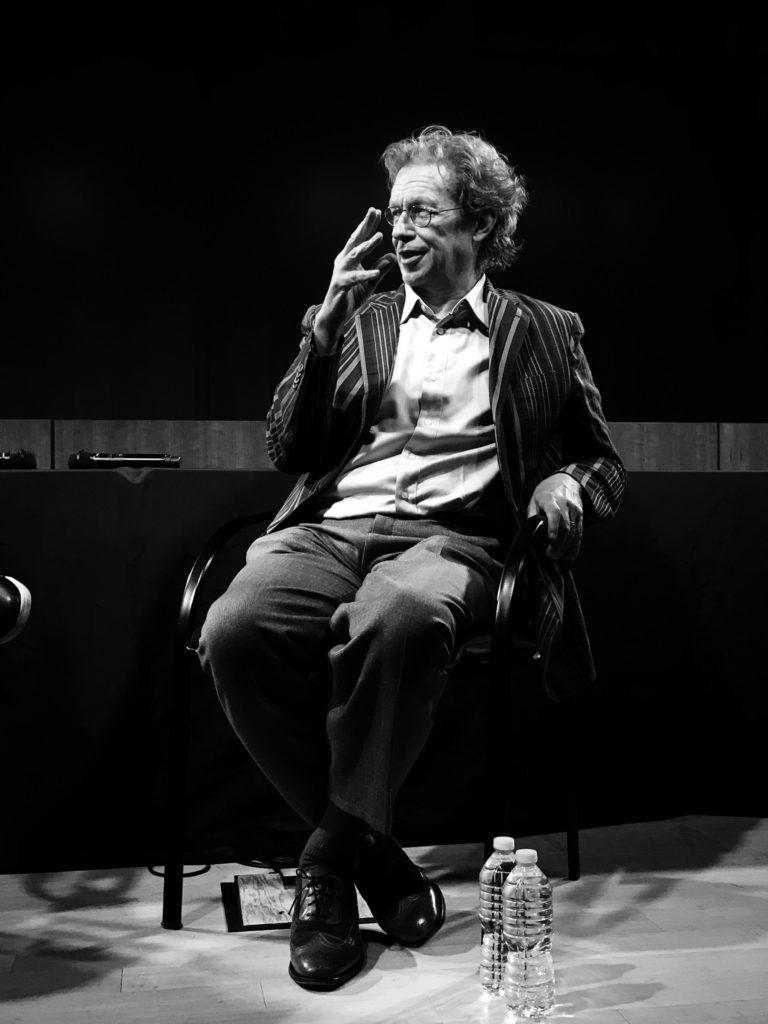
Photo: Gilly Youner

SCIENCE FICTIONAL LIVING

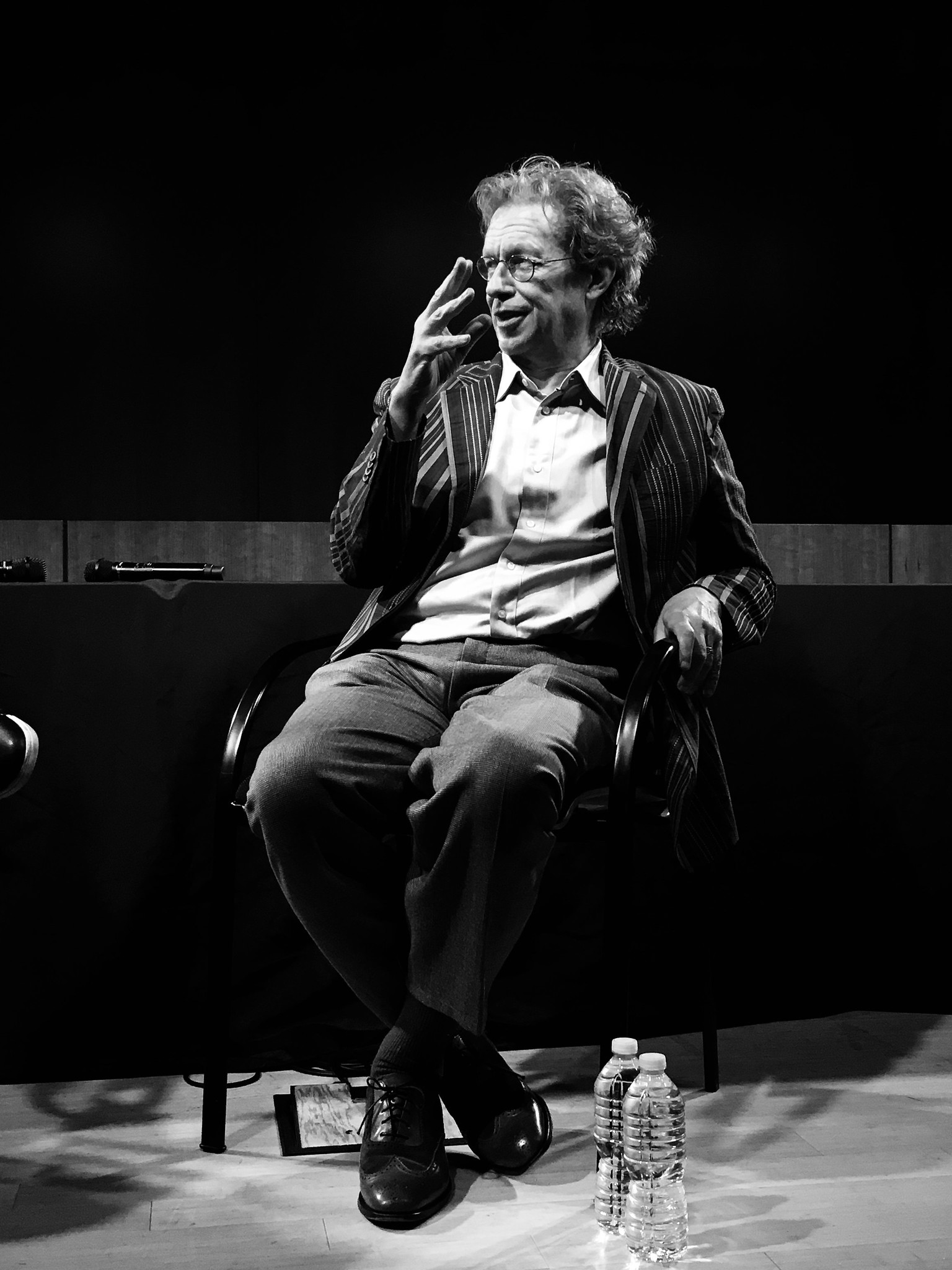
By Jack Womack


Jack Womack has written several books, most notably Random Acts Of Senseless Violence.


In the old days, the term science fiction (and here I mean only written English-language science fiction, which has until lately tended to hold sway over how the genre is perceived throughout much of the world) allowed for a wider range of carryings-on beyond those found in the scientific romances of H. G. Wells—there were books where utopias would be found in the form of a gigantic department store, or where dystopias would be presented as places where women wore pants and had the vote, or where lost civilizations had been preserved deep with the earth, or atop mesas in the Andes, and much more. During the 1920s and 1930s, however, the pulp magazine editors of the 1930s who fell into becoming the gatekeepers of science fiction, and later the studio bosses, set the parameters of what was permissible and what was not in order to make believable, i.e. salable, science fiction. In due course everyone agreed upon the basics; that is, 1) Science should nominally be the main character; 2) other characters should be white, male, sexist, possibly xenophobic, and at all times devoid of an inner life (granted, these often seemed to be requirements in much other midcentury fiction); and 3) Science is in practice not necessary to make good science fiction.

Science fiction as it had been known, a sort of pastime for all ages, became something else the moment Armstrong stepped onto the surface of the moon. After ten years of constant attention to the race to the moon, no sooner was it reached than the public made their lack of interest in space, as it was, clear. Instead of the mundane pleasures offered by Skylab, the public turned their attention to the kind of Space they always preferred, the kind where outfits were always impractical, air always easy to find, and where spaceships still made whooshing sounds in a vacuum. And there was much fun to be had with Star Wars and Star Trek, as the unconscious feel that perhaps the earth was offering less and less, seemed to take hold. As the eighties continued on, offering Aliens on the one hand, Blade Runner with another, it was seeming more and more that science fiction was in essence an area in which lay a limitless number of diversified marketing opportunities. There could be no shortage of possibilities in that most frightening of alien worlds, the Media world.

Until, after unending warnings prior to the reality finally beginning to sink in, there was.

The science that is no longer science fiction surrounds us now. There are only so many ways to say that at present we will soon enough be watching our own extinction and while science fiction has suggested this many times in the past, it offers no immediate solutions about what to do when it is actually occurring. Our leaders here and abroad may yet drive us into finality, as if one is trying to outrace the other; as if the certainty of one drives the ones in charge to make it so. Science fiction, as it exists, gives us the imagination and the hope that some of our descendants will be here to see it. That no longer seems a given. There will definitely be a 22nd century, although no one reading this can guess who’ll be here to see it in.


Ω

 

Photo: Alamy Photos

DAVID RAKOFF


Cool can cut like a knife.

Or, in the case of Canadian-born but New York City-bred humorist David Rakoff, like a guillotine.

There’s a passage in “I Can’t Get It For You Wholesale”, Rakoff’s witheringly funny exposé of the Parisian fashion scene and its odd excesses, that cements forever his place in the Compendium of Cool. When the legendary German designer Karl Lagerfeld dismisses David with the unkind observation, “What can you write that hasn’t been written already?”, Rakoff’s imagined reply is the kind of cool that can’t be seen head-on; you have to avert your gaze from it, wincing, one hand raised to shield you from the brilliance flashing from its falling blade:

He’s absolutely right, I have no idea. I can but try. The only thing I can come up with at that moment is that Lagerfeld’s powdered white ponytail has dusted the shoulders of his suit with what looks like dandruff but isn’t. Also, not yet having undergone his alarming weight loss, and seated on a tiny velvet chair, with his large doughy rump dominating the miniature piece of furniture like a loose, flabby, ass-flavored muffin overrisen from its pan, he resembles a Daumier caricature of some corpulent, inhumane oligarch drawn sitting on a commode, stuffing his greedy throat with the corpses of dead children, while from his other end he shits out huge, malodorous piles of tainted money. How’s that for new and groundbreaking, Mr. L.?

I mean…just…

GodDAMN.

Rakoff—whose tragic death in 2012 robbed the world of the sort of Swiftian satirist so desperately needed at today’s rancid buffet of edible Élite—was cool in a way he would deny with such eloquent self-flagellation as to make him cooler still; no one could insult David Rakoff the way he could attack himself. “The central drama of my life is about being a fraud, alas,” he tells us in the opening essay of his fist collection, Fraud. “That’s a complete lie, really; the central drama of my life is actually about being lonely, and staying thin, but fraudulence gets a fair amount of play.” And yet there is nothing more genuine, no more vibrant a virtuoso, than Rakoff at work. His prose plucks its readers from the page and wheels them, squealing with delight, in ever-widening gyres of breathless satisfaction, his writer’s eye as steely-sharp as it is jovially jaundiced:

With disturbing regularity, the end of the work day found us at the old Monkey Bar, the Dorset Bar, the Warwick Bar, all attached to serviceable and somewhat down-at-heel hotels. Midtown Manhattan used to be full of just such comfortably shabby establishments where career waiters with brilliantined comb-overs and shiny-elbowed jackets might serve marvelously cheap albeit watery drinks, along with free snacks: withered celery sticks; pretzel nuggets accompanying a cheese spread of a color that in nature usually signals “I am an alluring yet highly poisonous tree frog, beware!”; chicken wings kept barely, salmonella-friendly warm in a chafing dish over a Sterno lamp; and a bounty of unironic, faux Asian, pupu platter dough cylinders, pockets, and triangles that were—oh glory!—fried. Dinner and forgetfulness all for ten dollars.

Reading Rakoff–or better still, listening to him narrate his own work on audiobook or in one of his many appearances on “This American Life”–is an act of hopefulness in an increasingly absurd world, his prose a place to find shelter from our shared exhaustion with…well, everything. He was icily cool in his critiques of everything from cryogenic immortality to the “snarling, saw-toothed, ammoniac” smell of chicken shit, but it was the endless warmth of his humanity that made David Rakoff such a gift.


~ Clay D. Major


Photo: Mark Metcalfe/Getty Images)

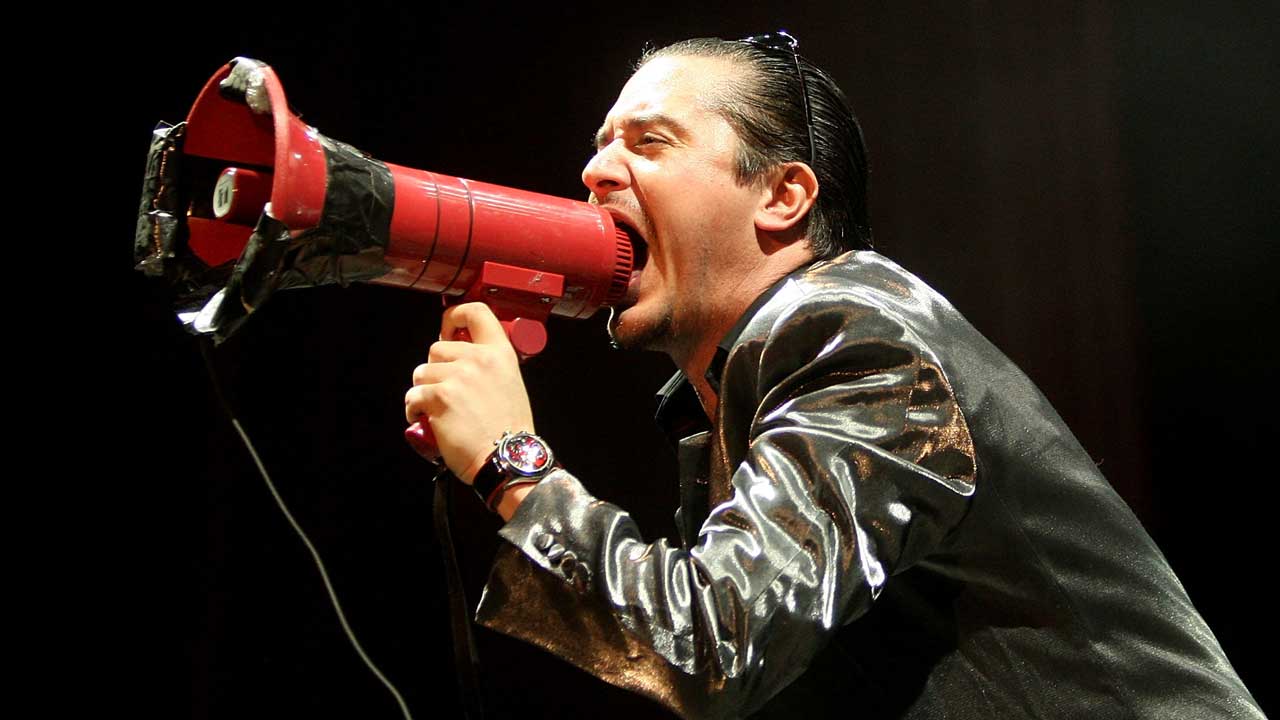
MIKE PATTON


Having narrowly avoided a degree in English by dropping out of college to join Faith No More in 1988, Patton helped rewrite the sounds of rock and metal. He’s constantly trying new sounds, new genres, new collaborators.  Nearly impossible to track, his projects also include 1960s Italian pop, hip-hop, electronica, noise, soundtrack composition, free-form poetry/jazz/orchestral recordings, and narration for video games. (See Mr. Bungle, Lovage, Peeping Tom, Fantômas,Mondo Cane, and Dead Cross.)

 He speaks Italian (which he learned the hard way: by moving to Italy and refusing to speak English) and Spanish.

He’s performed in both those languages as well as French and Portuguese. He’s got rabid cult followings across multiple segments of society, perhaps most notably in Chile, where he’s considered an honorary Chilean—and where his fans mounted a campaign to elect him president. He signed one of his heroes, composer Ennio Morricone (perhaps best known for his soundtracks to Sergio Leone’s films The Good, the Bad, and the Ugly, A Fistful of Dollars, and For a Few Dollars More), to Ipecac Recordings, the label he co-founded in 1999.

Oh, and he uses every single note in his six-octave vocal range.

For extra credit, search up the YouTube videos of him singing Lady Gaga’s “Poker Face” and the Nestle Winter White Chocolate song from the commercial that aired in the early 1990s. Comedy gold, pure and uncut.


~ Emma Alvarez Gibson


OLD BOOKS


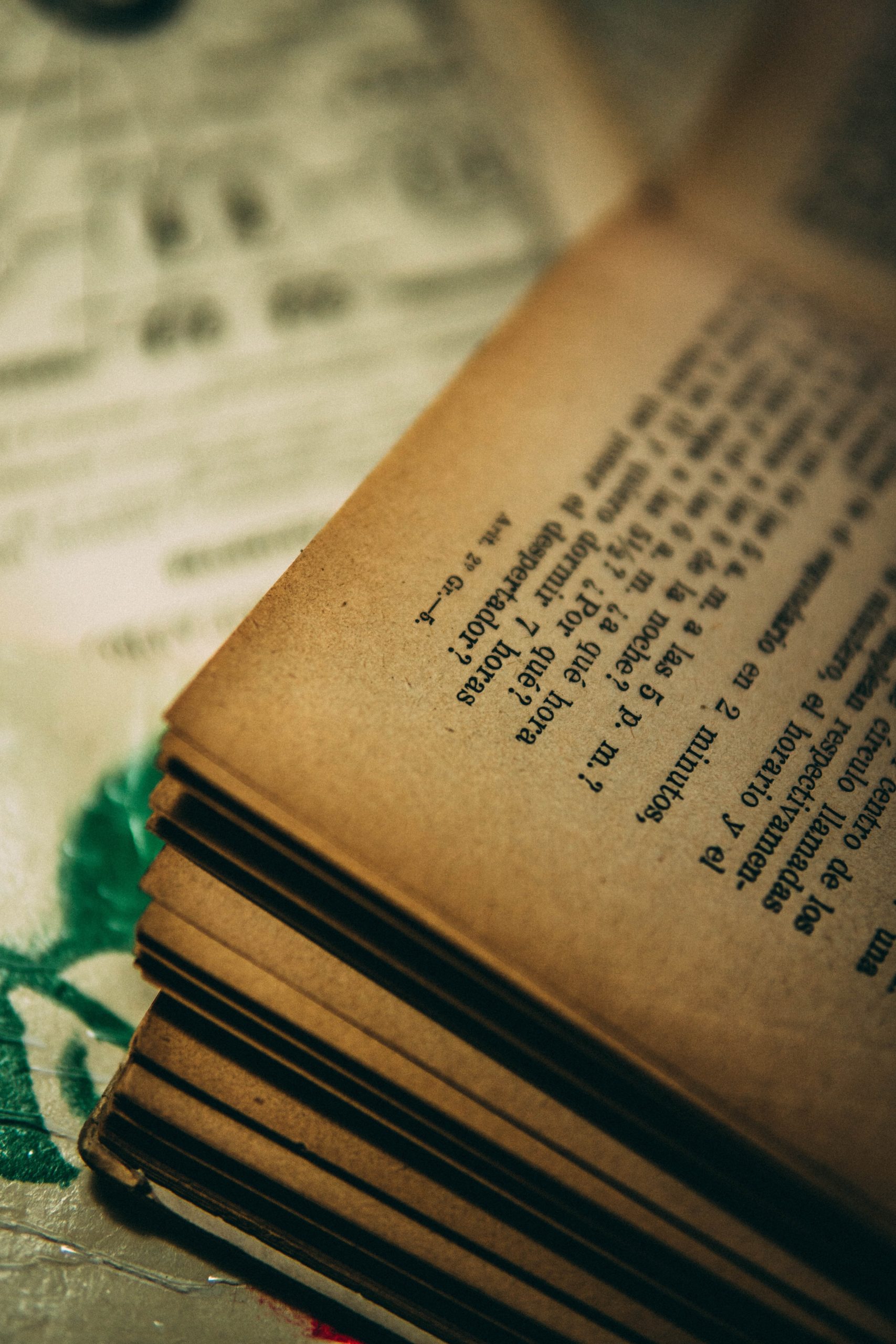
Within the pages of a vintage book, current and future events are a known quantity. There’s no mystery, no tragedy that hasn’t already been resolved by the time you’re reading it. Secreted away in its storyline, you’re safe, but you’ve also got other worlds to visit, to decode, and to use as mirrors in which you can see yourself and your life with the benefit of some detachment. For people who learned to escape into books, an old and well-loved book represents a very specific type of happiness.

Some of the best vintage books I read while growing up were about spectacularly subversive girls and women. As a strong, opinionated girl being raised in a ragingly macho culture, absorbing a thousand messages about all the ways in which I was a female failure, I drew courage and validation from those books. Headstrong, kind, and with a fierce sense of integrity and justice, these were girls and young women who were thrown away by society; forced out of their homes and sent to live in Siberia; mocked and misunderstood for being true to themselves. There were, too, the adventurous boys with more freedom than I could ever hope to have; who ran detective agencies and left their crowded homes to live in the wilderness, tame a falcon, and make leather trousers from a deer hide by hand. (The latter seems like a skill I would really put to good use now.)

Others were written from the point of view of witty, brash women, with children and husbands and, among all of that, a palpable sense of frustration at being held back by dint of their gender. Jean Kerr ‘s essays and Shirley Jackson‘s novels about the life of her young family fascinated me in particular, with their astonishment at the utter weirdness of everyday life as an intelligent woman strapped—as though to the nose of a rocket—to a home and children and a man who might or might not be all that interested in any of it.

In these stories, I found traces of myself, the good as well as the bad, and I learned strategies and methods for not giving up on myself. I discovered options I hadn’t known existed for me. Once in awhile I’ll pick up one of those old books again and I’m surprised to recognize myself in the pages, so deeply have their lessons and general style sunk into my DNA.

And all of that before we even get to the particulars about vintage design, or printing, or that intoxicating old-book smell.

John Ptak is a bookseller whose inventory is strictly vintage science, technology, and “the history of ideas.” We exchanged emails about vintage versus modern books.

“Vintage books will generally be printed on a better paper than moderns (unless it was during wartime or France between the wars and so on) and so will have a better feel. I think vintage books gave the reader’s eyes an easier time by giving more margin space (and more room for marginalia). I happen to like older design more so than modern, except when it comes to cover design, where the two run a tight race to the coolest. There are fantastic covers designed from, say, the beginning of Bauhaus and such, but the oldsters have their own highly addictive styles going way back to stamped vellum in the 15th century. Dust jackets are relatively recent to the book world, and there I’d probably give the cooler design over to modern than to vintage books.

“Vintage (but not necessarily collectible or valuable) books are also bath-tubable, meaning that if they get a little soggy or splashed they will dry out with enhanced character from the experience. Drinking glass rings on the cover tell stories, as do other attractive defects, a kind of Kintsugi in an odd way, or at least acknowledging or celebrating the rough patches and wear that the book has experienced and tolerated.

“Lastly, vintage books just smell great and could have (and probably do, now that I think of it) their own bottleable fragrance. My guess is that in a blind scent test 9 of 10 would prefer an old paperback smell to a new one.” 

Ah, that glorious scent. A quick look online confirms that it’s available as a bottleable fragrance, as well as in endless iterations of candle scents. And while “old book” might not be a sexy description, it’s better than the particulars. What you smell in an old book is the breakdown of the cellulose and lignin in the paper, turning into several distinct organic compounds, like toluene and ethyl benzene (both of which smell sweet), benzaldehyde and furfural (both smell a bit like almonds), vanillin (guess what that smells like?), and 2-ethyl hexanol (which gives off a slightly floral scent). Sweet, almondy, vanilla-esque, flowery decay.  I think that’s subversive as hell.

Little wonder, then, that vintage books appear in this Compendium, comprising as they do some of the basic tenets of cool: survival, identity, attitude, and subversion.


~ Emma Alvarez Gibson